
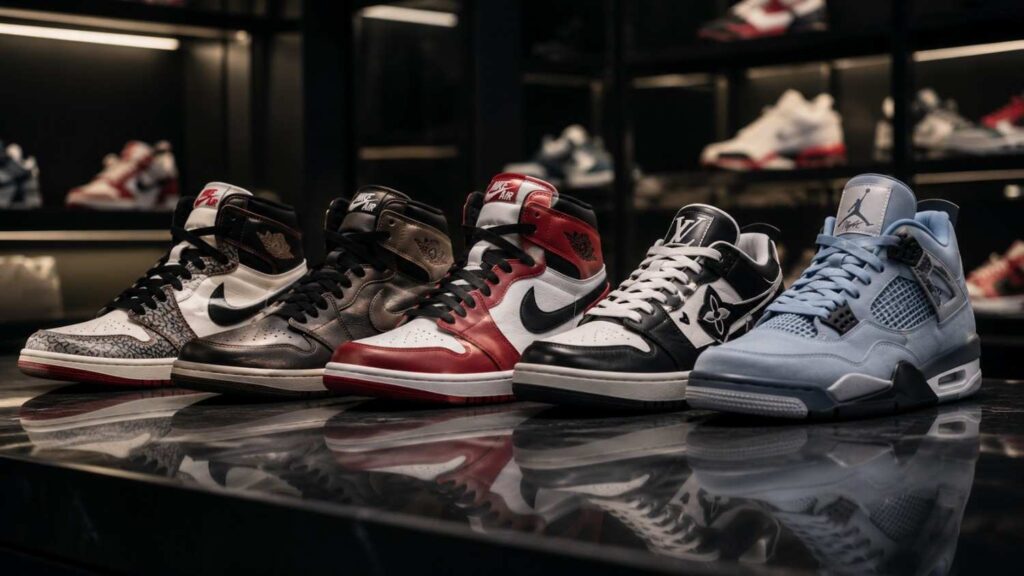
Top 5 Limited-Edition Sneakers You Should Invest In
The Top 5 Limited-Edition Sneakers You Should Invest In are not simply the most expensive pairs currently listed on resale platforms. A high asking price does not automatically prove that a sneaker has lasting collectible value. Serious collectors look for a combination of documented scarcity, historical importance, strong design identity, clear provenance, recognizable collaborators, and continued demand across multiple market cycles.
That distinction matters because the sneaker market is filled with short-lived trends. Some releases rise sharply in price immediately after launch, only to decline when attention shifts to the next collaboration. Other pairs maintain relevance for years because they represent a meaningful moment in fashion, music, sport, film, art, or product innovation. Those are the sneakers that deserve deeper consideration.
This guide focuses on established grail-level pairs rather than speculative new releases. The selected models include the Nike MAG 2016, the Louis Vuitton x Nike Air Force 1 auction edition, the Nike SB Dunk Low Paris, the Dior x Air Jordan 1 High, and the Nike Air Yeezy 2 Red October. Each pair offers a different investment thesis, from extreme scarcity and technological significance to luxury craftsmanship and cultural influence.
However, sneakers should always be treated as speculative collectibles rather than guaranteed financial assets. Their value depends on condition, size, authenticity, completeness, market timing, and the availability of qualified buyers. A smart collector should evaluate both the potential upside and the practical risks before purchasing.
Why Limited-Edition Sneakers Can Hold Collectible Value
Limited-edition sneakers can hold value because they often represent more than functional footwear. The strongest examples combine design, history, cultural identity, and scarcity in a physical object that collectors can own, display, document, and trade. However, not every limited release becomes a successful collectible. Brands regularly use restricted quantities to create excitement, but artificial scarcity alone does not produce long-term demand.
A valuable sneaker usually tells a clear story. It may be connected to an influential designer, a landmark sporting moment, a major film, a celebrated musician, or a significant shift in fashion culture. That narrative gives collectors a reason to care about the shoe years after its initial release.
Documentation also plays an important role. Official release quantities, numbered production, auction catalogues, original receipts, and brand records help establish confidence. Buyers are more comfortable paying a premium when they can verify what a sneaker is, when it was released, and why it is rare.
Long-term value also depends on the size and stability of the collector community. A sneaker associated with several cultural categories may attract more demand than a pair known only within a small niche. For example, a collaboration involving Nike, a luxury fashion house, and a famous designer can appeal to sneaker collectors, fashion buyers, and design historians.
Understanding these factors helps investors distinguish durable collectibles from temporary hype. The most promising pairs are not merely scarce; they are scarce, culturally meaningful, verifiable, and desirable.
| Investment Factor | Why It Matters | What Collectors Should Check |
|---|---|---|
| Scarcity | Lower supply can increase long-term collector demand. | Official production numbers, numbered pairs, auction records |
| Cultural Importance | Sneakers connected to major events, designers, or celebrities often attract wider audiences. | Historical significance, collaborations, media influence |
| Provenance | A documented ownership history improves buyer confidence. | Original receipt, auction paperwork, purchase history |
| Condition | Better condition generally commands stronger resale prices. | Deadstock status, sole condition, discoloration, wear |
| Original Accessories | Complete packages are usually more desirable than incomplete pairs. | OG box, spare laces, dust bags, hangtags, charger, cases |
| Market Demand | Consistent buyer interest supports stronger liquidity. | Recent completed sales, marketplace activity, auction results |
Scarcity Must Be Documented
Scarcity is one of the most important drivers of collectible value, but it must be supported by credible evidence. Marketing language such as “exclusive,” “rare,” or “limited” is not enough. Brands sometimes describe products as limited even when thousands of pairs enter the market across multiple countries and release channels.
Stronger evidence includes numbered editions, official production records, reputable auction catalogues, charity-release documentation, and consistent reporting from recognized industry sources. Sotheby’s, for example, documents the 2016 Nike MAG as a release of only 89 pairs. It also identifies 200 pairs in the special Louis Vuitton x Nike Air Force 1 auction and approximately 200 regular-release examples of the Nike SB Dunk Low Paris.
Documented scarcity makes valuation easier because collectors can compare supply with visible demand. It also improves confidence during resale. A buyer is more likely to accept a scarcity premium when the production story can be verified independently.
Collectors should still distinguish production quantity from surviving supply. Some pairs may be worn, damaged, lost, modified, or separated from their original packaging. As a result, the number of complete, authentic, high-condition examples available today may be significantly smaller than the original release quantity.
Cultural Relevance Supports Long-Term Demand
Cultural relevance gives a limited sneaker meaning beyond its production quantity. A rare product with no recognizable story may struggle to attract future buyers, while a culturally significant sneaker can remain desirable even as fashion trends change.
The Nike MAG demonstrates this principle clearly. Its association with Back to the Future Part II gives it importance within film history, popular culture, technology, and footwear innovation. The Louis Vuitton x Nike Air Force 1 carries the influence of Virgil Abloh, whose work reshaped the relationship between streetwear and luxury fashion.
The Nike SB Dunk Low Paris appeals to art collectors and early Nike SB enthusiasts because of its use of Bernard Buffet artwork. The Red October represents an important period in music, celebrity marketing, and the development of artist-led sneaker collaborations. The Dior Jordan connects one of the most recognizable basketball silhouettes with a leading European luxury house.
These layered cultural associations help expand the potential buyer base. A shoe that interests fashion historians, musicians, art collectors, and sneaker enthusiasts may have stronger long-term support than a release connected to only one temporary trend.
Collectors should therefore study the story behind a pair, not just its resale chart.
Liquidity Matters as Much as Rarity
Liquidity describes how easily an asset can be sold without accepting a major discount. In sneaker collecting, this factor is often overlooked. A pair can be extremely rare and theoretically valuable, yet difficult to sell because few buyers understand it or can afford it.
Ultra-rare samples, friends-and-family editions, and player-exclusive sneakers may have impressive scarcity, but their values can be difficult to establish. Completed transactions may be limited, and each pair can differ in provenance, size, or condition. As a result, the seller may need to wait for a highly specific buyer.
More recognizable models can offer better liquidity even when their supply is higher. The Dior x Air Jordan 1, for example, has a broader audience than many obscure one-off samples. Collectors can also find more comparable listings and historical sales, making the market easier to understand.
Before buying, review actual completed sales rather than current asking prices. Compare the same model, size, condition, accessories, and region wherever possible. Then estimate the time and cost required to resell the pair.
A well-planned sneaker investment should balance rarity with market depth. Owning a rare object is valuable only if future buyers recognize and desire it.
Top 5 Limited-Edition Sneakers You Should Invest In: The Ranking
This ranking evaluates five established collectible sneakers using several criteria: documented scarcity, cultural importance, design recognition, provenance, historical relevance, condition sensitivity, and resale liquidity. No single pair performs perfectly in every category, which is why the ranking should be viewed as a strategic comparison rather than a guarantee of future appreciation.
The Nike MAG 2016 ranks first because it offers an unusually strong combination of extreme scarcity, technological innovation, film history, and charitable significance. The Louis Vuitton x Nike Air Force 1 auction edition follows because its 200-pair release, Sotheby’s provenance, luxury construction, and connection to Virgil Abloh make it highly distinctive.
The Nike SB Dunk Low Paris takes third place due to its early Nike SB importance, fine-art connection, and extremely limited supply. The Dior x Air Jordan 1 High ranks fourth because it combines luxury craftsmanship with one of the most widely recognized sneaker silhouettes. Although its production quantity is higher than the first three pairs, it benefits from broad demand and comparatively strong price transparency.
The Air Yeezy 2 Red October completes the list. Its exact production quantity remains uncertain, but its influence on music, celebrity collaborations, and modern sneaker marketing is difficult to ignore.
Investors should use this ranking as a starting point. Before making a purchase, compare recent transactions, inspect the pair’s physical condition, verify all accessories, and consider whether the sneaker fits the buyer’s budget and holding strategy.
| Rank | Sneaker | Documented Supply Signal | Collector Strength | Main Risk |
|---|---|---|---|---|
| 1 | Nike MAG 2016 | 89 pairs worldwide | Film, technology, charity, and Nike innovation | High entry cost and aging electronic components |
| 2 | Louis Vuitton x Nike Air Force 1 auction edition | 200 auction pairs | Virgil Abloh provenance and luxury crossover | Thin market and substantial price variation |
| 3 | Nike SB Dunk Low Paris | Approximately 200 regular-release pairs | Early Nike SB history and Bernard Buffet artwork | Counterfeits, aging, and unique print placement |
| 4 | Dior x Air Jordan 1 High | 8,500 high-top pairs | Numbered luxury collaboration with broad recognition | Greater supply than ultra-rare pairs |
| 5 | Nike Air Yeezy 2 Red October | Public production total not verified | Landmark music and sneaker-culture release | Uncertain supply data and reputation volatility |
1. Nike MAG 2016
The Nike MAG 2016 earns the top position because it combines verifiable scarcity with one of the most recognizable stories in footwear history. Sotheby’s identifies the official release as only 89 pairs worldwide. The shoe was connected to a charitable raffle benefiting the Michael J. Fox Foundation, which added both provenance and social significance to the release.
Its design was inspired by the futuristic footwear shown in Back to the Future Part II. The 2016 version included adaptive lacing technology and illuminated elements, transforming a fictional movie concept into a functioning product. Few sneakers have such a strong connection between film, innovation, nostalgia, and design.
From an investment perspective, completeness is essential. The strongest examples include the original charger, presentation packaging, documentation, accessories, and clear evidence that the electronic features still operate. Buyers should request recent videos and detailed photographs before purchase.
The main concern is material and electronic aging. Batteries, lighting systems, adhesives, and midsoles can deteriorate over time. The Nike MAG should therefore be treated as a museum-level collectible rather than ordinary wearable footwear.
2. Louis Vuitton x Nike Air Force 1 by Virgil Abloh Auction Edition
The Louis Vuitton x Nike Air Force 1 auction edition represents one of the most significant intersections of luxury fashion and sneaker culture. Sotheby’s offered 200 pairs of a special colorway, with each pair accompanied by a matching Louis Vuitton pilot case. The combination of limited supply, auction documentation, premium construction, and Virgil Abloh’s legacy gives the release an unusually strong provenance story.
The sneaker also builds on the cultural importance of the Air Force 1, a silhouette deeply connected to basketball, street fashion, hip-hop, and global sneaker history. By reinterpreting that model through Louis Vuitton materials and design language, Abloh created an object that appeals to several collector communities.
When evaluating a pair, confirm that the original pilot case, auction documentation, size information, accessories, and packaging are present. Missing components can significantly weaken the value proposition because the complete presentation is part of the collectible experience.
Investors should also distinguish these 200 auction pairs from later Louis Vuitton x Nike retail colorways. They are related releases, but they do not have identical scarcity or provenance. Market liquidity is limited, so purchases should be made with a long holding period in mind.
3. Nike SB Dunk Low Paris
The Nike SB Dunk Low Paris is one of the most respected and visually distinctive sneakers from the early Nike SB era. It was developed for the 2003 White Dunk exhibition and features canvas panels printed with artwork by French expressionist Bernard Buffet. Because the material was cut differently during production, the artwork placement varies from pair to pair.
That variation gives each example an individual appearance. Certain panel arrangements may be more visually desirable, but buyers should avoid assuming that one pattern automatically deserves a major premium. Overall condition, authenticity, size, packaging, and provenance remain more important than print placement alone.
Sotheby’s reports that approximately 200 regular-release pairs were produced, making the Paris Dunk considerably scarcer than most commercial Nike SB releases. Its significance is strengthened by its position within early skateboarding and sneaker history, when the SB Dunk was developing its reputation among collectors.
The major risks include counterfeiting, suede deterioration, fading, outsole aging, and damaged boxes. Buyers should seek specialist authentication and compare the pair with trusted reference images. A complete, well-preserved example with clear provenance is far more desirable than a discounted pair with questionable details.
4. Dior x Air Jordan 1 High
The Dior x Air Jordan 1 High is one of the most recognizable luxury-sneaker collaborations ever released. Sotheby’s documents a production run of 8,500 high-top pairs, each individually numbered. The sneaker was handcrafted in Italy using calfskin leather and features Dior Oblique jacquard on the Swoosh, combining traditional luxury craftsmanship with an iconic basketball silhouette.
Although 8,500 pairs is a larger quantity than the supply of the Nike MAG or Paris Dunk, the Dior Jordan benefits from broader demand. It attracts Jordan collectors, luxury buyers, streetwear enthusiasts, and fashion investors. That wider audience can improve price discovery and resale liquidity.
Collectors should pay close attention to completeness. The original box, dust bags, spare laces, tags, purchase documentation, and numbered production details all contribute to value. Condition is particularly important because the light-colored leather and translucent outsoles can show wear, discoloration, or storage issues.
The Dior Jordan may suit buyers who want a highly recognizable collectible with more available market data. However, it should not be purchased solely because of a high listing price. Review completed sales for the exact size and condition before determining a reasonable entry point.
5. Nike Air Yeezy 2 Red October
The Nike Air Yeezy 2 Red October remains one of the most influential celebrity-associated sneakers of the modern era. It became the final major Nike Yeezy release before Kanye West moved his footwear partnership to adidas, giving it a unique place in the history of artist-led sneaker collaborations.
The shoe’s monochromatic red design, sculpted midsole, textured panels, and distinctive strap made it immediately recognizable. Its visibility during the Yeezus period and its connection to music, fashion, and celebrity culture helped transform it into a widely known grail.
Unlike several other sneakers on this list, a reliable public production total is not widely established. Investors should therefore avoid repeating unverified claims about exactly how many pairs exist. The stronger investment argument is based on cultural significance, recognizable design, and continued collector demand rather than a precise supply figure.
Authentication is a serious concern because the Red October has been heavily counterfeited. Buyers should inspect the box label, materials, stitching, shape, lace tips, outsole, dust bag, and production details. Complete provenance and specialist verification are especially important for high-value examples.
How to Evaluate, Buy, and Protect a Sneaker Investment
Selecting the right model is only one part of a successful sneaker investment strategy. The purchase process, documentation, storage conditions, and eventual resale plan can have an equally important effect on the final result. A valuable sneaker bought without proper due diligence can become a costly problem.
The first step is to establish exactly what is being sold. Confirm the model name, SKU, release year, size, regional edition, production number, and included accessories. Sellers sometimes use vague descriptions or mix details from related releases, particularly with complex collaborations that include several colorways or packaging variations.
Next, compare completed sales rather than relying on current listings. Asking prices often reflect a seller’s expectations, while completed transactions show what buyers have actually paid. Consider differences in size, condition, location, platform fees, and accessory completeness.
Authentication should never be treated as an optional step. High-value sneakers attract sophisticated counterfeiters, and visual inspection alone may not be enough. Established marketplaces can provide additional protection, but their terms, coverage, and verification systems vary.
After purchase, the collector must preserve the sneaker carefully. Light, temperature, humidity, pressure, and material aging can all affect condition. Detailed photographs, receipts, condition reports, and storage records should be retained.
Finally, plan the exit before buying. Estimate how the sneaker could be sold, which platforms may be suitable, what fees will apply, and how long the transaction might take.
Follow a Five-Step Buying Process
A structured buying process reduces emotional decisions and makes it easier to compare opportunities. First, identify the exact sneaker. Record the full model name, SKU, size, release date, edition, production number, and all included accessories. Similar-looking releases can have very different values.
Second, research completed sales across reputable auction houses and established resale platforms. Compare pairs in similar sizes and conditions. Avoid using a single unusually high transaction as the only basis for valuation.
Third, request detailed photographs and videos. Review labels, stitching, soles, insoles, packaging, serial numbers, material texture, accessories, and visible flaws. For electronic sneakers such as the Nike MAG, ask for recent evidence that all functions operate.
Fourth, use a seller or marketplace with written authentication and buyer-protection procedures. StockX, eBay, and GOAT each use different verification methods and eligibility rules, so buyers should read the current terms before purchasing.
Fifth, calculate the total cost. Include the purchase price, buyer fees, shipping, insurance, taxes, import duties, professional authentication, and storage. A pair that appears profitable before fees may offer a much smaller return after all expenses are considered.
| Checklist Item | Purpose | Recommended Action |
|---|---|---|
| Verify Authenticity | Reduce the risk of counterfeit purchases. | Buy through trusted authentication services or verified marketplaces. |
| Review Provenance | Confirm ownership history and originality. | Request invoices, receipts, and supporting documentation. |
| Inspect Condition | Identify defects that affect long-term value. | Examine photos for yellowing, cracking, sole separation, and wear. |
| Confirm Accessories | Complete sets generally attract stronger resale demand. | Ensure the original box, tags, spare laces, and extras are included. |
| Compare Recent Sales | Avoid overpaying based on listing prices. | Review completed sales from reputable marketplaces and auction houses. |
| Calculate Total Costs | Determine the actual investment amount. | Include shipping, insurance, taxes, platform fees, and storage expenses. |
Grade Condition and Completeness Conservatively
Condition has a major influence on sneaker value, especially for older and highly collectible pairs. Buyers should avoid relying only on labels such as “deadstock,” “new,” or “unworn.” These descriptions do not guarantee that the shoe is free from age-related deterioration.
Inspect the sneaker for yellowing, oxidation, glue separation, sole hardness, cracking, fading, mold, odor, staining, peeling, and material transfer. Leather, suede, rubber, foam, plastic, and electronic components age differently. A pair may look excellent in photographs while still having structural weaknesses.
Completeness should also be evaluated carefully. Original boxes, hangtags, receipts, dust bags, spare laces, inserts, protective cases, charging equipment, and auction documents can strengthen provenance and improve resale appeal. Replacement packaging or missing accessories may reduce buyer confidence.
Collectors should create a written condition record immediately after purchase. Photograph every side of the sneaker, the packaging, labels, accessories, and any existing flaws. Retain the original invoice and authentication documents.
Conservative grading protects the buyer’s reputation during resale. Describing condition accurately reduces disputes and helps future purchasers understand exactly what they are receiving.
Store for Preservation, Not Display Alone
Proper storage can slow deterioration, although it cannot stop material aging completely. Collectible sneakers should be kept away from direct sunlight because ultraviolet exposure can fade materials, discolor translucent soles, and weaken certain finishes. Bright display lighting can create similar problems over long periods.
Temperature and humidity should remain relatively stable. Excess heat can accelerate adhesive failure and material breakdown, while high humidity can encourage mold and odor. Very dry conditions may also affect leather and certain synthetic materials. Avoid garages, attics, vehicles, and damp basements.
Support the shape of the sneaker with clean, archival-safe material. Do not overfill the shoe or place heavy objects on the box. Original tissue paper may contain acids or dyes, so long-term collectors may choose preservation-safe alternatives while retaining the original paper separately.
Polyurethane midsoles can deteriorate through hydrolysis even when the sneaker is unworn. This is why old deadstock pairs should not automatically be considered wearable.
Inspect the collection periodically. Record changes in color, texture, smell, sole flexibility, and electronic performance. Preservation is an active process, not simply placing the shoes in a sealed container and forgetting about them.
Quick Answer About Top 5 Limited-Edition Sneakers You Should Invest In
The strongest shortlist includes the Nike MAG 2016, Louis Vuitton x Nike Air Force 1 auction edition, Nike SB Dunk Low Paris, Dior x Air Jordan 1 High, and Nike Air Yeezy 2 Red October. These pairs stand out because they combine scarcity, cultural relevance, recognizable design, established collector demand, and strong provenance.
The Nike MAG 2016 offers one of the clearest rarity stories, with only 89 pairs associated with its official release. The Louis Vuitton Air Force 1 benefits from the legacy of Virgil Abloh and documented Sotheby’s auction provenance. The Paris Dunk represents early Nike SB history while also connecting sneaker design with fine art. The Dior Jordan 1 has a larger production run but attracts both luxury-fashion and basketball-sneaker collectors. The Red October remains an important symbol of the relationship between music, celebrity influence, and modern sneaker culture.
For most buyers, the best option will depend on budget, access to credible sellers, storage conditions, and the desired resale timeline. A collector with significant capital may prefer the extreme scarcity of the Nike MAG, while someone seeking broader market recognition may find the Dior Jordan easier to research and compare.
Regardless of the model, always prioritize authentication, documentation, original accessories, and transparent condition reports. A complete and well-preserved pair will generally be easier to value and resell than a cheaper example with uncertain history.
Which Pair Is the Best Overall Choice?
For an experienced collector with a substantial budget, the Nike MAG 2016 is arguably the strongest overall choice. Its appeal extends beyond traditional sneaker culture because it connects Nike innovation, film history, charitable fundraising, and futuristic product design. The official release was extremely limited, creating a scarcity profile that is easy to understand and communicate to future buyers.
The MAG is also visually distinctive. Its illuminated details and self-lacing technology make it immediately recognizable, even to people who do not actively follow sneakers. That broader cultural awareness may help support long-term collector interest. However, the high entry price and limited number of transactions make it difficult to establish a precise market value.
For collectors who prefer a more active resale market, the Dior x Air Jordan 1 High may be a more practical choice. It has greater supply, but it also attracts buyers from several categories, including luxury fashion, Jordan collecting, streetwear, and designer collaborations.
The best overall choice therefore depends on the investor’s objectives. The Nike MAG offers exceptional rarity, while the Dior Jordan may provide easier price discovery and a larger pool of potential buyers.
What Is the Main Risk?
The main risk is assuming that rarity or a high asking price guarantees future appreciation. Sneaker marketplaces often display ambitious listings that do not reflect completed transactions. A seller may ask a significant premium because a pair is a rare size, includes special packaging, or has unusual provenance, but that does not mean a buyer will agree to the price.
Condition creates another major source of risk. Two examples of the same sneaker can have dramatically different values because of yellowing, sole separation, fading, cracking, missing accessories, damaged boxes, or non-functioning electronic components. Older sneakers can deteriorate even when they have never been worn.
Liquidity is also limited. A rare sneaker may be worth a substantial amount in theory but still require months to sell. The number of buyers who can afford a five-figure or six-figure collectible is relatively small.
Collectors must also consider authentication, marketplace fees, shipping, insurance, taxes, and storage. A profitable sale price may produce a modest net return after these expenses. For that reason, every purchase should be based on completed sales, conservative assumptions, and a clear exit strategy.
Frequently Asked Questions
Collectors often approach rare sneakers with questions that appear simple but require careful context. There is no single formula that can guarantee which pair will increase in value, how long it should be held, or which size will sell fastest. Market behavior changes according to cultural trends, economic conditions, celebrity influence, brand strategy, and the availability of authentic examples.
The most reliable approach is to evaluate each sneaker individually. Start with documented scarcity and cultural importance, then review condition, provenance, recent completed sales, and buyer demand. A rare shoe with poor documentation may be riskier than a more common release with a transparent market history.
New collectors should also understand that sneaker resale is not frictionless. Platforms charge fees, authentication can take time, high-value shipping requires insurance, and rare sizes may have limited demand. Even when a pair appreciates, the net profit may be lower than expected.
Advanced collectors should pay close attention to material aging, restoration, packaging, provenance, and transaction records. A well-documented pair with minor honest wear may be more attractive than a supposedly deadstock example with uncertain history.
The following answers address the most common questions associated with the Top 5 Limited-Edition Sneakers You Should Invest In. They are intended to support research and due diligence rather than provide individualized financial advice or guarantee future performance.
Are Limited-Edition Sneakers a Good Investment?
Limited-edition sneakers can appreciate, but they should be treated as speculative collectibles rather than predictable financial instruments. Their value depends on demand, cultural relevance, condition, authenticity, size, provenance, and the number of comparable pairs available for sale.
The strongest investment candidates usually have a clear story and documented scarcity. They may be connected to an important designer, cultural event, film, athlete, musician, or historical period. Established resale demand is also important because rarity alone does not guarantee liquidity.
Collectors should avoid using money they may need in the short term. Rare sneakers can take months to sell, and market prices may fall during economic downturns or changes in fashion.
They can be a suitable alternative collectible for someone who understands the market, enjoys the product, and can manage storage and authentication. However, they should generally form only a small part of a diversified financial strategy. Buyers should focus on quality, provenance, and realistic resale expectations rather than assuming every limited release will increase in value.
Which Sneaker on This List Has the Best Resale Potential?
The Nike MAG 2016 may offer the strongest scarcity-driven potential, but its high price and limited buyer pool make it difficult to resell quickly. Its market is closer to high-end memorabilia than ordinary sneaker trading, and individual transactions can vary substantially.
The Dior x Air Jordan 1 High may offer more practical resale potential because it is widely recognized and has a larger base of fashion and Jordan collectors. More pairs also mean that buyers can access additional sales data, making valuation easier.
The Nike SB Dunk Low Paris is highly desirable, but authenticity, condition, and artwork placement can create wide price differences. The Louis Vuitton Air Force 1 benefits from exceptional provenance, although its price level restricts liquidity. The Red October has strong cultural demand but requires especially careful authentication.
The best option depends on the buyer’s budget, holding period, and ability to access credible buyers. “Best resale potential” should not mean the highest possible price. It should mean the strongest balance of demand, scarcity, market transparency, and manageable transaction risk.
Should I Buy Deadstock or Worn Sneakers?
Deadstock pairs often command higher prices because many collectors prefer unworn examples with original packaging. However, the term “deadstock” is used differently across sellers and platforms. Buyers should always examine the actual condition instead of relying on the description alone.
An unworn older sneaker may still have yellowing, hardened soles, cracking, glue separation, or internal deterioration. In some cases, a lightly worn pair may be structurally more stable because it has been inspected and used carefully. A worn pair can also offer a lower entry price while retaining strong display value.
The decision depends on the collector’s goals. A museum-style investor may prioritize the best available deadstock example, while a buyer who values affordability may choose a lightly worn, complete pair with excellent provenance.
Regardless of wear status, request detailed photographs and a clear condition report. Compare the premium for deadstock against the actual difference in condition. Paying significantly more for an unworn label may not be justified when the materials have already deteriorated.
What Sneaker Size Is Best for Resale?
There is no universal sneaker size that consistently delivers the highest resale return. Demand depends on the specific model, region, target buyer, and original production distribution. Common wearable sizes can attract a larger number of buyers, but they may also have more available supply.
Rare edge sizes may command a premium when very few examples reach the market. However, those sizes can take longer to sell because the pool of potential wearers is smaller. For display-focused collectibles such as the Nike MAG, size may be less important than provenance, condition, and completeness.
The most reliable method is to review completed sales for the exact sneaker and size. Compare transaction frequency as well as sale price. A size that achieves one unusually high sale but rarely trades may be less liquid than a size with frequent, consistent transactions.
Collectors should avoid relying on generalized “money size” claims. Size premiums change across models and over time. Buy the size with the strongest evidence of demand at a price that still allows for fees and market fluctuations.
How Can I Avoid Fake Limited-Edition Sneakers?
The safest approach combines seller research, platform protection, detailed inspection, and independent verification. Start by purchasing from an established auction house, recognized marketplace, reputable specialist, or collector with a documented transaction history.
Request high-resolution photographs of labels, stitching, materials, box markings, insoles, soles, accessories, serial numbers, and production details. Compare them with trusted references for the exact SKU and release. Counterfeiters often copy general design elements while missing small construction or packaging details.
Use protected payment methods and review the marketplace’s authentication and refund policies before paying. StockX, eBay, and GOAT offer verification systems, but eligibility and procedures vary.
For a very expensive purchase, consider obtaining a second specialist opinion even when the pair has already passed marketplace authentication. Retain all invoices, authentication reports, shipping records, and seller communication.
Be cautious when the price is far below the established market, the seller pressures you to act quickly, or the documentation does not match the product. A missed deal is less costly than an expensive counterfeit.
How Long Should I Hold a Collectible Sneaker?
A three-to-five-year holding period may be more realistic than expecting an immediate profit, but no fixed timeline guarantees appreciation. Some sneakers rise quickly after release and then decline, while historically important pairs may gain value gradually as supply decreases and cultural importance becomes clearer.
The correct holding period depends on the purchase price, current demand, condition, storage cost, and the owner’s financial goals. Review completed sales at least once a year and monitor whether transaction volume is increasing or decreasing.
Collectors should also consider physical deterioration. Holding a sneaker longer does not automatically improve its value if the materials are aging faster than market demand is growing. Electronics, foam, adhesives, leather, and translucent soles may require special attention.
Create a target selling range before purchasing. Include estimated platform fees, shipping, insurance, taxes, and any professional services. Sell when the net return meets your objective or when the sneaker no longer fits your collection strategy.
Patience is valuable, but passive ownership is not enough. A responsible holder must continue monitoring both market demand and physical condition.
Conclusion
The most promising collectible sneakers combine several qualities rather than relying on scarcity alone. They have documented production stories, strong cultural relevance, recognizable designs, credible provenance, and an active community of buyers. They also require careful authentication and preservation because condition can influence value as much as the model itself.
The Nike MAG 2016 leads this ranking because of its extraordinary scarcity, technological features, film connection, and charitable release history. The Louis Vuitton x Nike Air Force 1 auction edition offers powerful provenance through Virgil Abloh, Louis Vuitton, and Sotheby’s. The Nike SB Dunk Low Paris combines early skateboarding history with fine art, while the Dior x Air Jordan 1 High provides a more recognizable and comparatively liquid luxury collaboration. The Air Yeezy 2 Red October completes the list because of its importance within music, fashion, and celebrity-driven sneaker culture.
None of these pairs should be purchased without detailed research. Review completed transactions, understand platform fees, inspect condition, verify authenticity, and confirm every accessory. A lower-priced pair with uncertain provenance can create more risk than a more expensive example with complete documentation.
Collectors should also remain realistic about resale timelines. High-value sneakers are not as liquid as publicly traded assets. The right buyer may take time to find, particularly for unusual sizes or museum-level pieces.
A disciplined strategy balances passion with evidence. Buy pieces you understand, preserve them properly, and avoid treating speculative appreciation as a certainty.
Final Recommendation
When evaluating the Top 5 Limited-Edition Sneakers You Should Invest In, begin by defining your budget, risk tolerance, and expected holding period. A collector who wants extreme scarcity may prefer the Nike MAG or Louis Vuitton Air Force 1, while someone seeking broader buyer recognition may be more comfortable with the Dior Jordan 1.
Prioritize condition and provenance over price alone. A complete pair with original packaging, receipts, accessories, and reliable authentication will generally be easier to defend during resale. Avoid examples with unexplained restoration, replacement components, mismatched boxes, or vague ownership history.
I also recommend building a written investment record for every major purchase. Include photographs, invoices, authentication results, storage notes, comparable sales, and annual condition checks. This documentation can support future valuation and increase buyer confidence.
Most importantly, avoid making decisions based entirely on social-media hype or unusually high listings. Study completed transactions and use conservative assumptions. A professional collecting strategy depends on patience, research, and disciplined buying rather than chasing every limited release.
Call to Action
Building a valuable sneaker collection starts with informed decisions, reliable authentication, and careful preservation. Use this guide to compare the strongest collectible candidates, establish a realistic budget, and create a due-diligence checklist before making a purchase.
Whether you are buying your first grail or expanding an established collection, focus on pairs with verifiable scarcity, cultural importance, complete accessories, and transparent condition. Do not hesitate to walk away from a purchase when the seller cannot provide adequate documentation or detailed photographs.
A professional sneaker collection should reflect both personal interest and strategic thinking. Choose models you genuinely value, because market appreciation may take time and is never guaranteed.